
THE SYSTEMIC ROOT CAUSE OF DYSREGULATION, DISCONNECTION & DISRUPTIONS OF INTELLIGENCE & POTENTIAL
ACROSS ALL SIX FUNDAMENTAL SYSTEMS, INCLUDING YOU
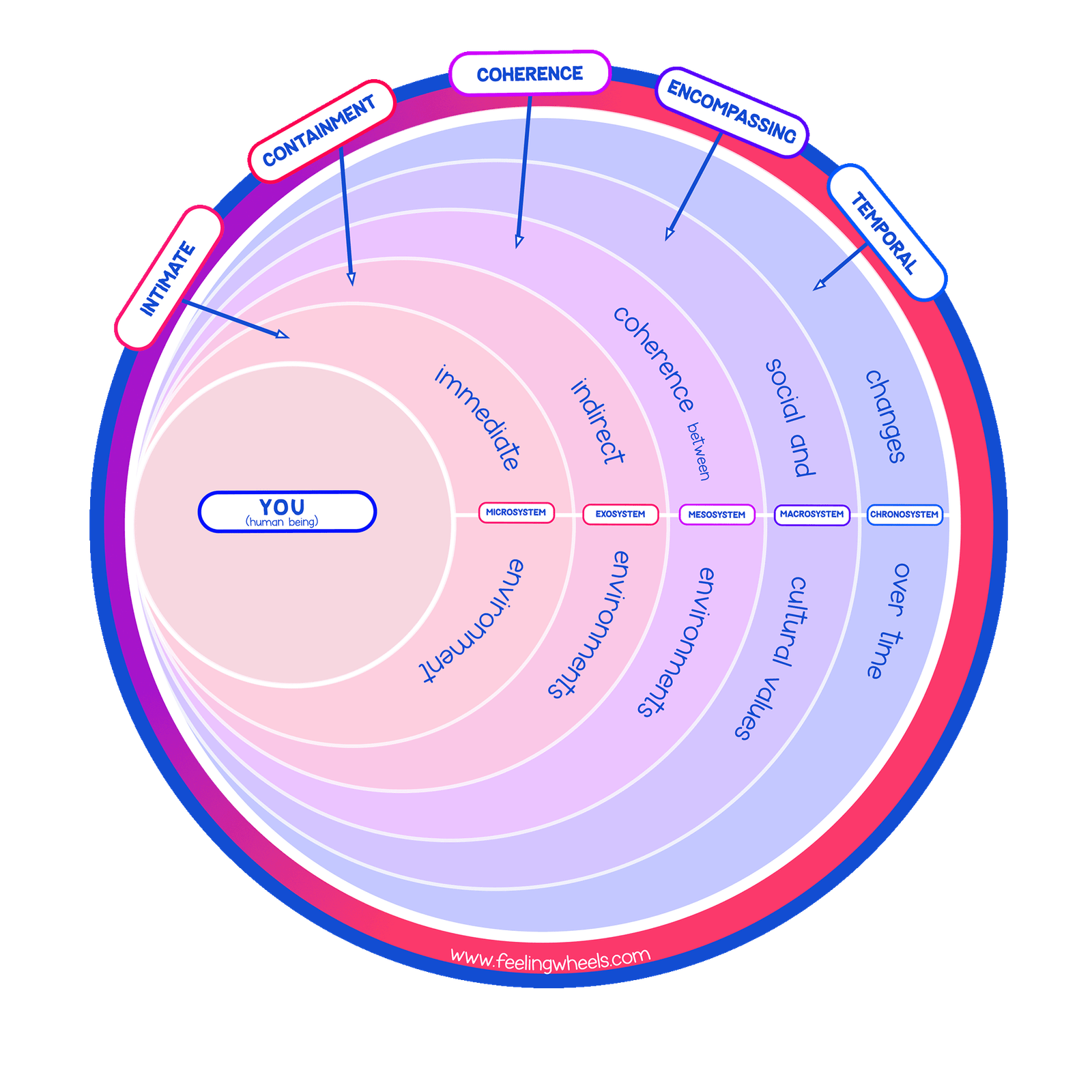
INCREDIBLY DANGEROUS EFFECTS ON BEING, RELATING, INTIMACY & LEADERSHIP
The 3 I's & E's of Relating
INTERNAL EXPERIENCE
INNER CONFLICT & PAIN
When you’ve grown up with chronic misattunement you’ll know it, even if you’re never heard that word.
You’ll know how it looks, how it sounds, and how it feels.
- It feels like hyper sensitivity in relationships, especially attachment bonds.
- It feels like anxiety or withdrawal, numbness or extreme intensity.
- It sounds like a critical voice in your head
- It looks like addiction patterns (remember, process addictions can be just as harmful as substances).
- It looks like anxiety, fear of rejection, people pleasing and self-abandonment
- It feels like a domineering “power over” part of yourself runs the show way too often
- It looks like the 6 trauma responses (fight, flight, fawn, collapse, attach cry and freeze)
- It feels like disconnection, being unseen, and misunderstood
NEURO & BODY HARM
For us humans, experiencing chronic misattunement takes a significant toll. A toll on our body (manifesting across our nervous systems, endocrine systems, connective tissue, immune systems and our brain power and capacity to use our inherent intelligence potential.
Yes, the effects of even long-term developmental misattunement trauma can be healed to a great extent, which is good news. But it’s not an easy path, even if it is insanely worth it.
Misdirection disguised as clarity
When someone’s experiencing chronic misattunement, their internal signals get all befuddled. They are not able to access their full intelligence or potential.
They even process information and determine it’s meaning with confidence but they’re misinterpreting and missing key information.
It feels like confusion or certainty, it looks like difficulty making advantageous decisions.
INTIMACY EXPRESSION
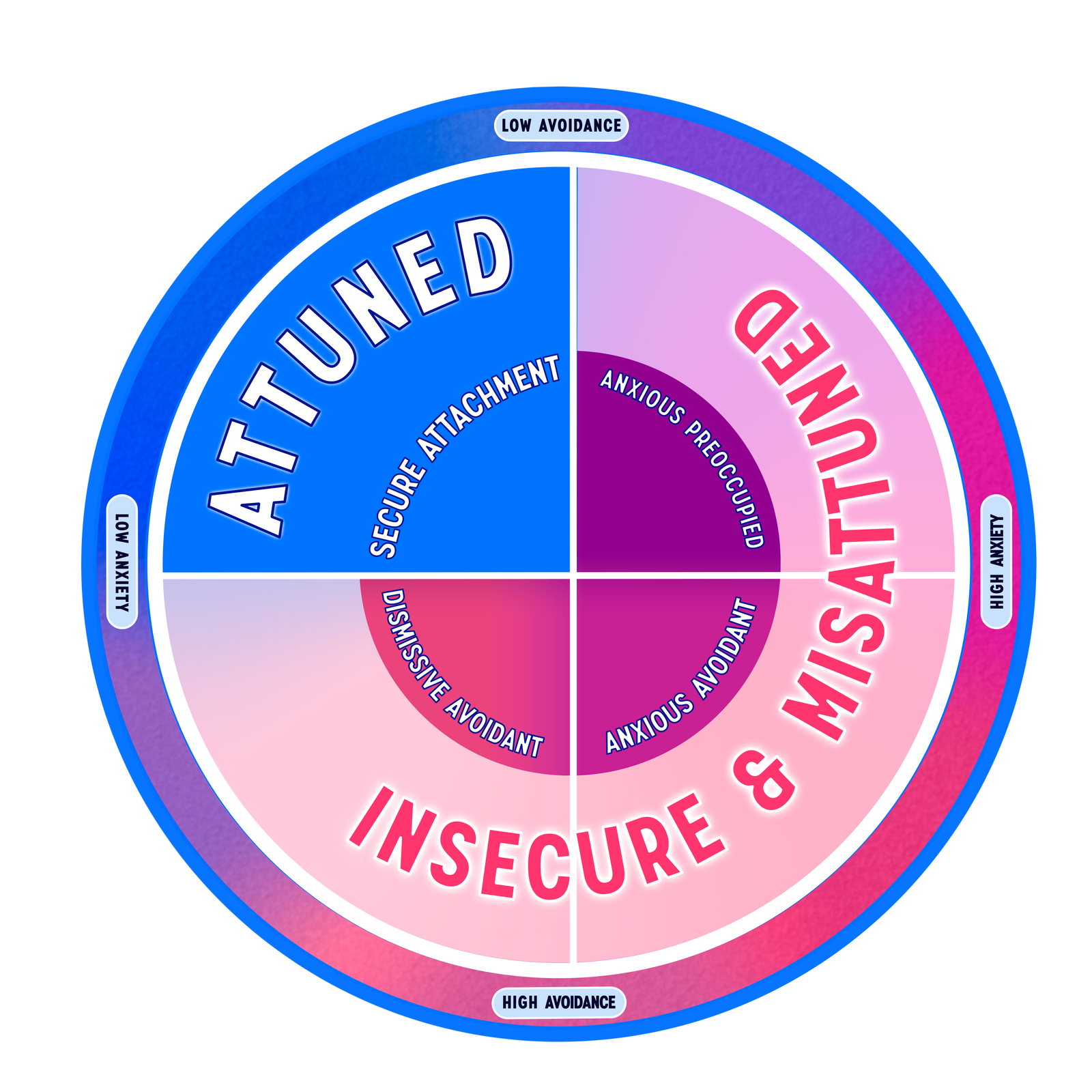
INSECURE ATTACHMENT
Every person who is insecurely attached experienced chronic misattunement during their childhoods, without exception. Many also experienced ACE’s, however it seems widely accepted now that it is chronic misattunement and developmental wounds that contribute most significantly to how we form attachment bonds in intimacy as adults.
The fixations on learning everything there is to know about attachment styles, your own anxious or avoidant tendencies, your lovers and friends attachment particulars. All of this is a path to more pain if you’re not actively training in attunement, first self-attunement and as you progress and reconnect, your ability to attune to others without loosing your individuation.
Recalibrating and attuning to your Self, your body, and others will have you feeling the difference between hyper-vigilant monitoring, and those who can read people and deploy cognitive but not affective empathy – and those who are attuned to you.
POWER OVER VS. WITH
There are only a few ways we can relate to ourselves and/or others.
1. Power-Over (gross): the failsafe for coercive and dysregaulted relating
2. Power-With (yes, please): requires ‘power within’ and a collective environment of ‘power-to’
As simple as it is write that, discerning where and how power-over relating (and systems of relating socially) show up can be hard. That is where understanding misattunement, and developing attunement, comes in.
Shame & compassion
When you’ve established a neural baseline for connection that reads more like protection, it often stems from early rooted shame patterning.
Compassion can be challenging, both in theory, and in practice. It is often misunderstood, and when people live in states of predominant misattunement to themselves and others, this can be very elusive.
INTELLIGENCE EFFECT
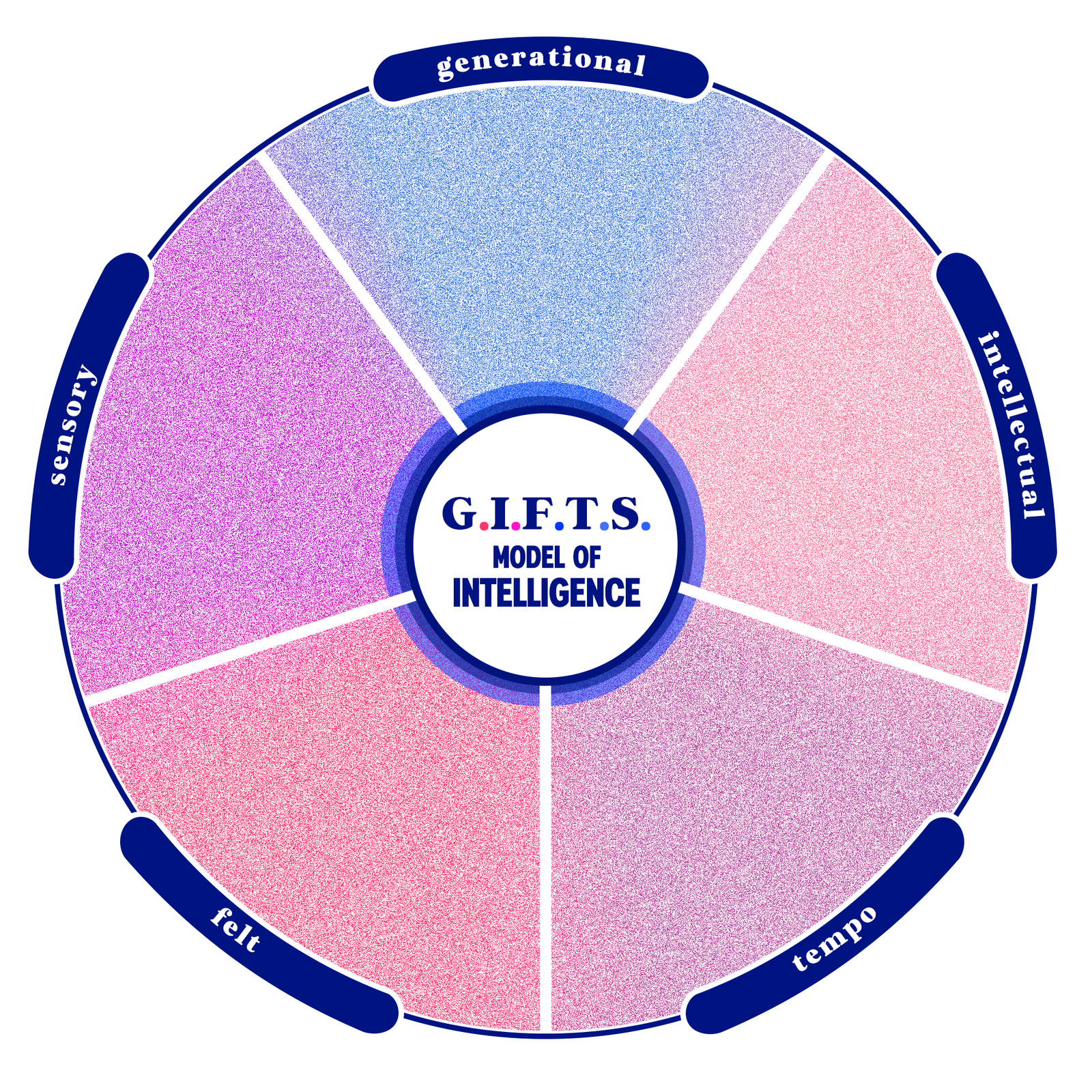
5 Types of Intelligence
G – Generative Intelligence
-
- The capacity for vivid inner worlds, rich fantasy, detailed visualization, and inventive ideation. This intelligence excels at conceptualizing possibilities, creating intricate narratives, and exploring hypothetical scenarios. It’s the engine of creativity and foresight.
I – Intellectual Intelligence
-
- The drive for deep understanding, intense curiosity, logical reasoning, and theoretical exploration. This intelligence thrives on problem-solving, questioning, seeking truth, and mastering complex information, often leading to profound insights and critical thinking.
F – Felt Intelligence
-
- The depth of emotional experience, profound empathy, acute moral sensitivity, and strong affective memory. This intelligence allows for a rich inner emotional life, deep connection with others, and a powerful sense of justice, guiding actions with compassion and integrity.
T – Tempo Intelligence
-
- The dynamism of intense physical activity, rapid energy mobilization, kinesthetic awareness, and a strong inner drive. This intelligence manifests as a need for action, quick processing, and the ability to channel energy into focused, often rapid, engagement with the world. It encompasses both physical dexterity and energetic flow mentally.
S – Sensory Intelligence
-
- The heightened awareness and appreciation of sensory details across all modalities (sight, sound, smell, taste, touch), leading to deep aesthetic sensitivity and a nuanced perception of the environment. This intelligence finds profound beauty and meaning in sensory experiences, often inspiring artistic expression and a refined enjoyment of life.
Complex Intelligence
With the different ways people can intelligently make meaning of the varied information sources available to them, it’s not hard to see where human innovation comes from.
We all have different neurotypes, processing capacity and speed, and we need to utilize everything in our human ecosystem.
Devaluing certain ways of processing, or certain types of information / input, like emotional or imaginational, is a loss and we can’t afford it.
DISTORTED PROCESSING
When we shut ourselves off from any of these types of intelligence, we’re missing out (and so is the world).
Not everyone has the same mix or specific strengths, but each of us has the ability to tap into all 5 types to a certain extent. Expanding our capacity looks like addressing all the areas, not just one.
What is misattunement?
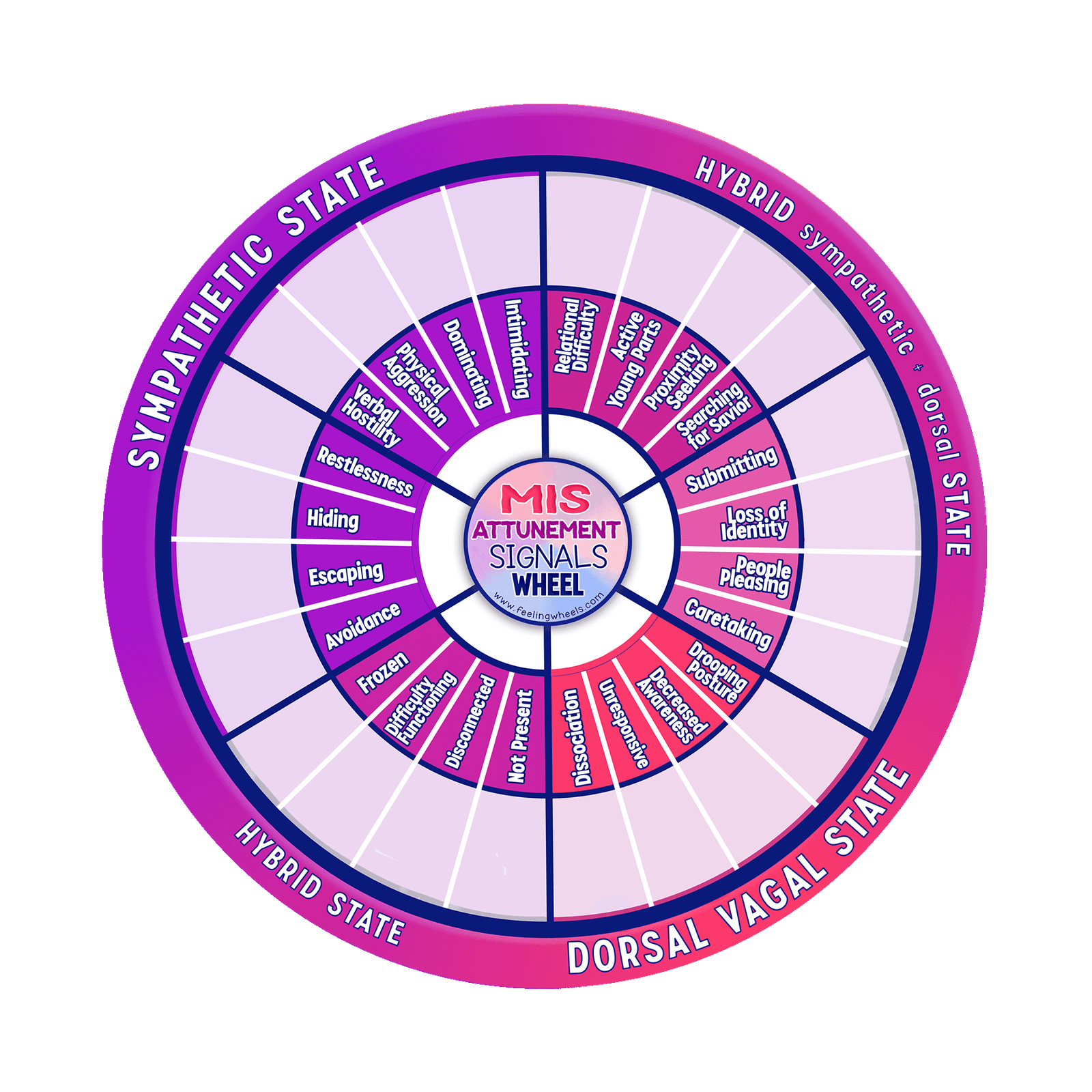
how we relate when in a misattuned state
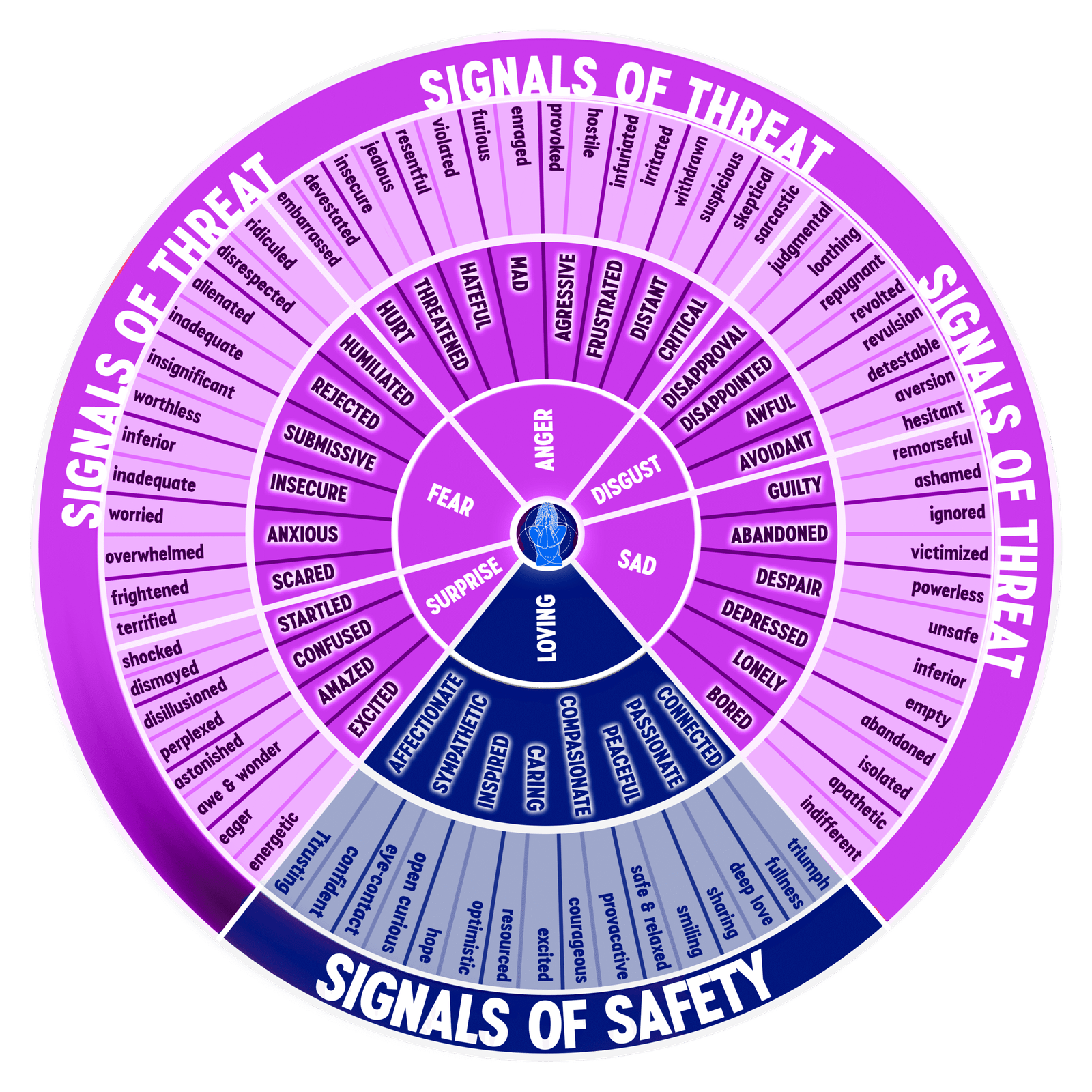
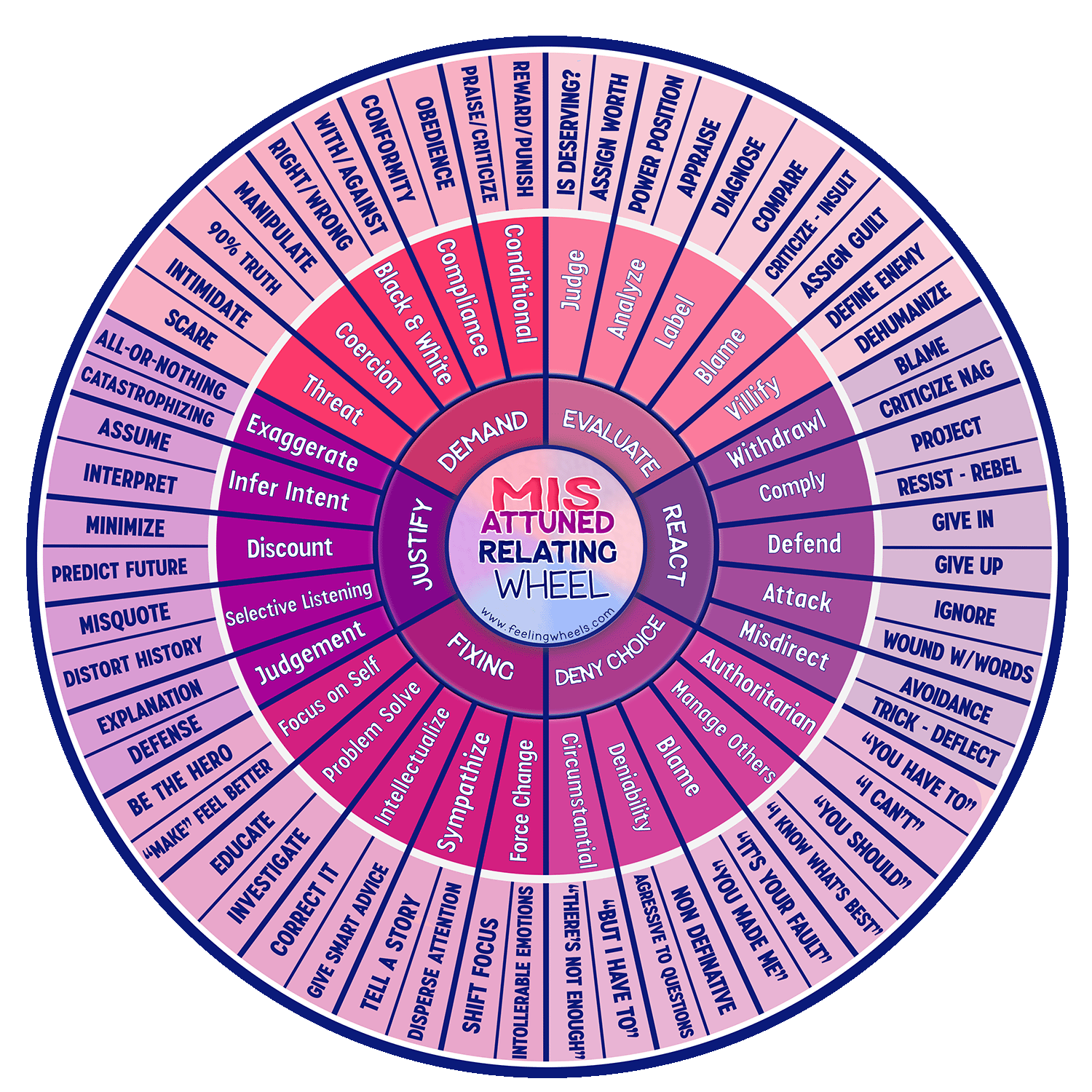
All of these observable actions, things like caretaking, people-pleasing, relational difficulty, proximity seeking, even hiding, escaping and dominating, are signals that a person is experiencing misattunement.
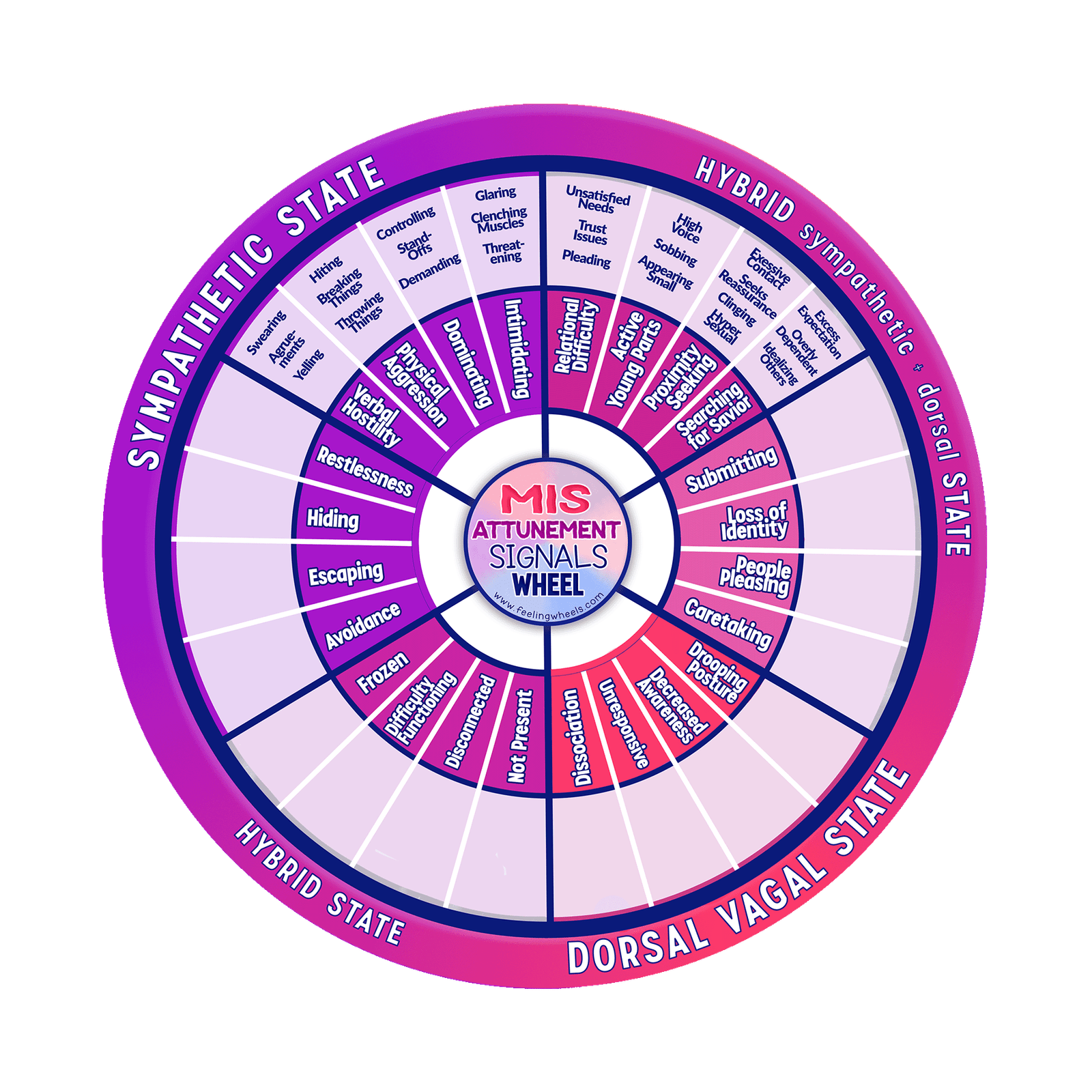
Things get granular bc we're complex
Once you start to recognize the behavioral patterns in the first ring, you'll realize they all have their own particular expressions in nuance. Ways you can tell "oh, that's proximity seeking".
Urges and actions like clinging, hyper-sexuality, excessive contant hyper-dependence in paricular arenas, all of those become patterns to be spotted not judged.
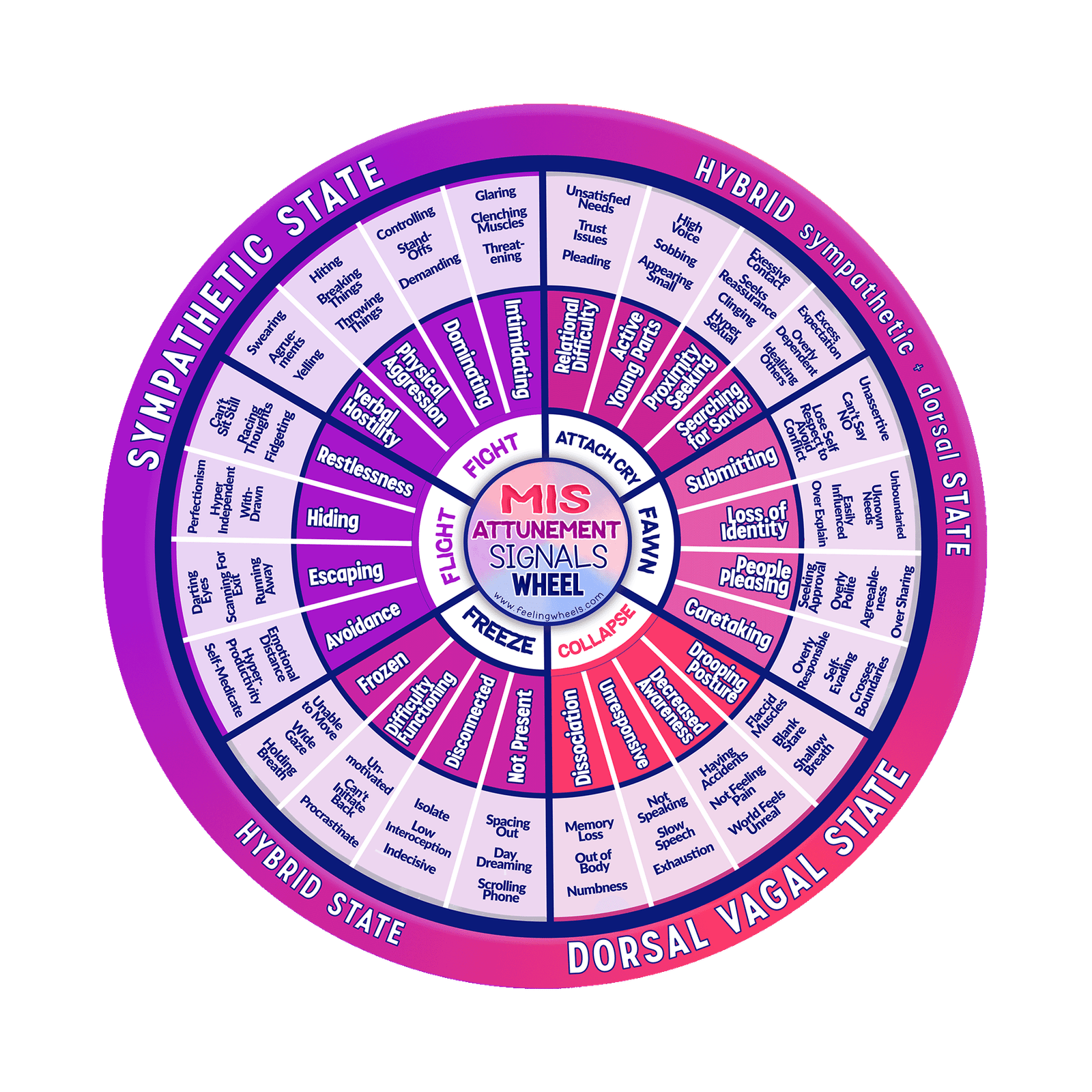
Change how you relate
Using the wheel is a process, just like attunement. Continually using a non-judgemental stance to recognize patterns and shift them into alignment with your values and intentions is what it's all about.
It's tempting to think solely about the way others relate to us when viewing the wheel, but what if you looked to see where you show up? Try it, it's good even if uncomfortable.
REWIRING & RECALIBRATING FOR EMOTIONAL FORTITUTE
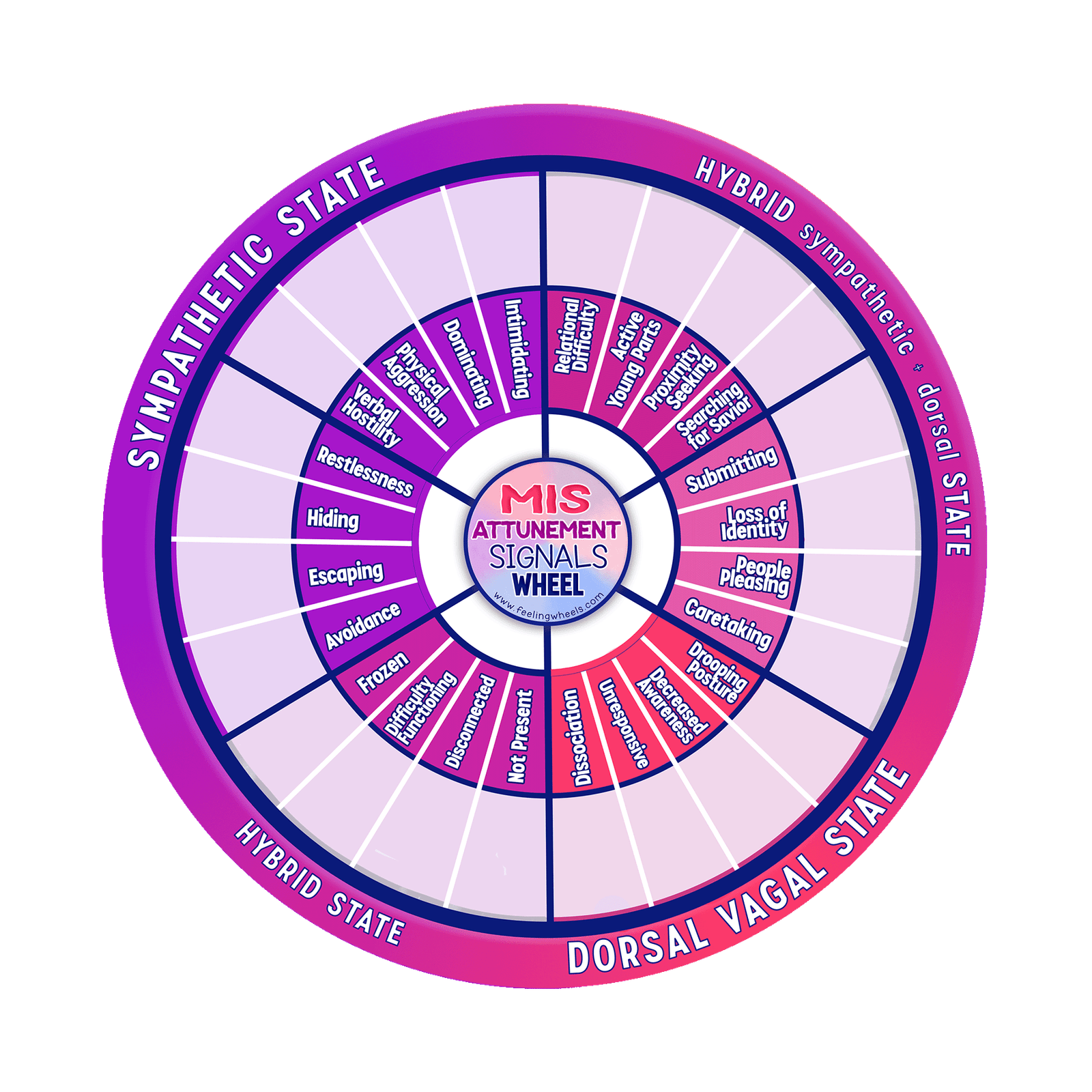
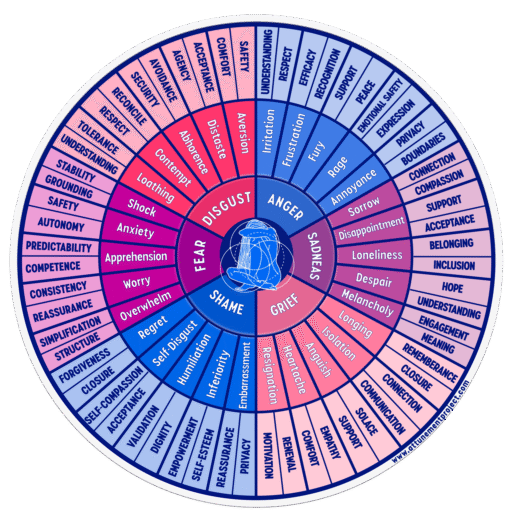
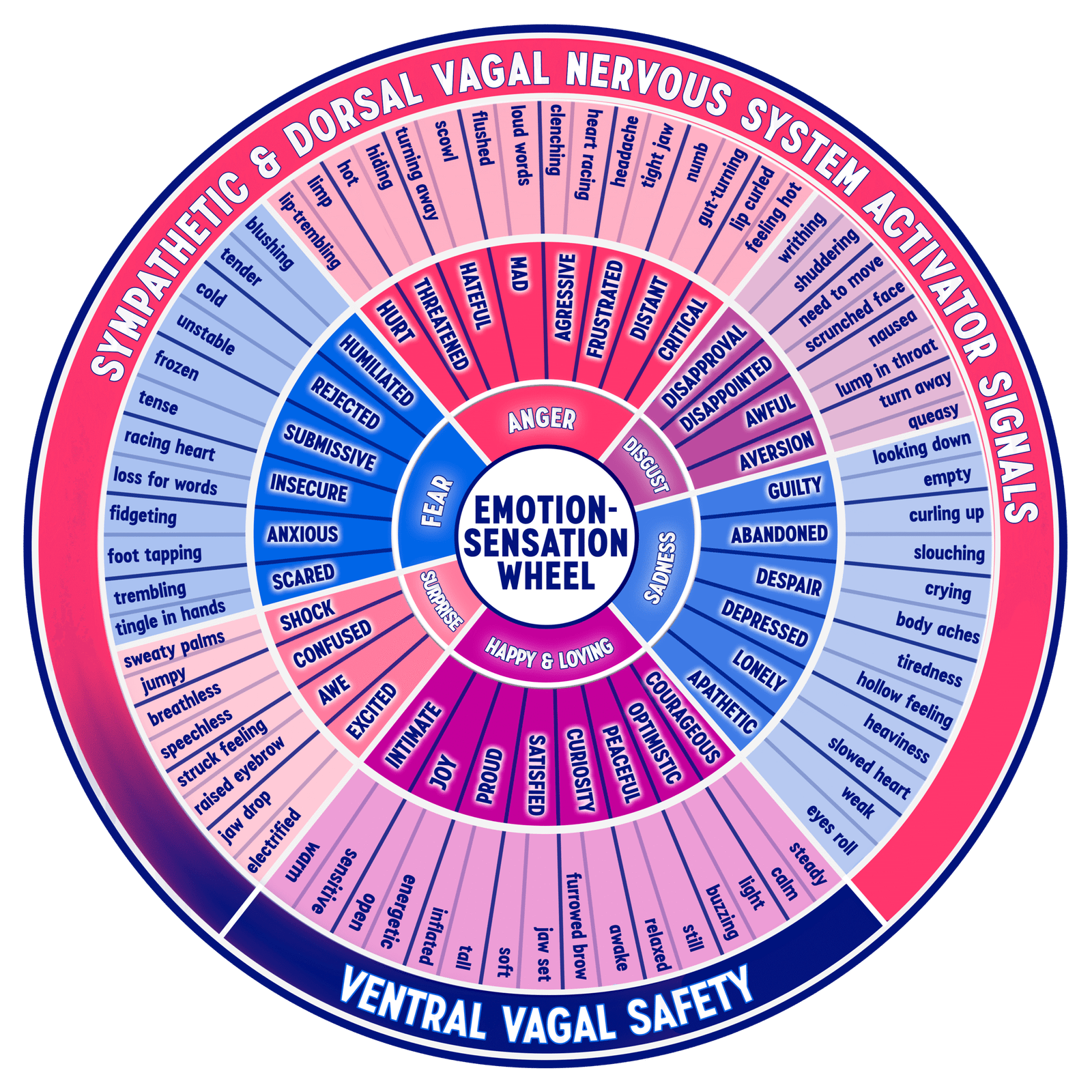
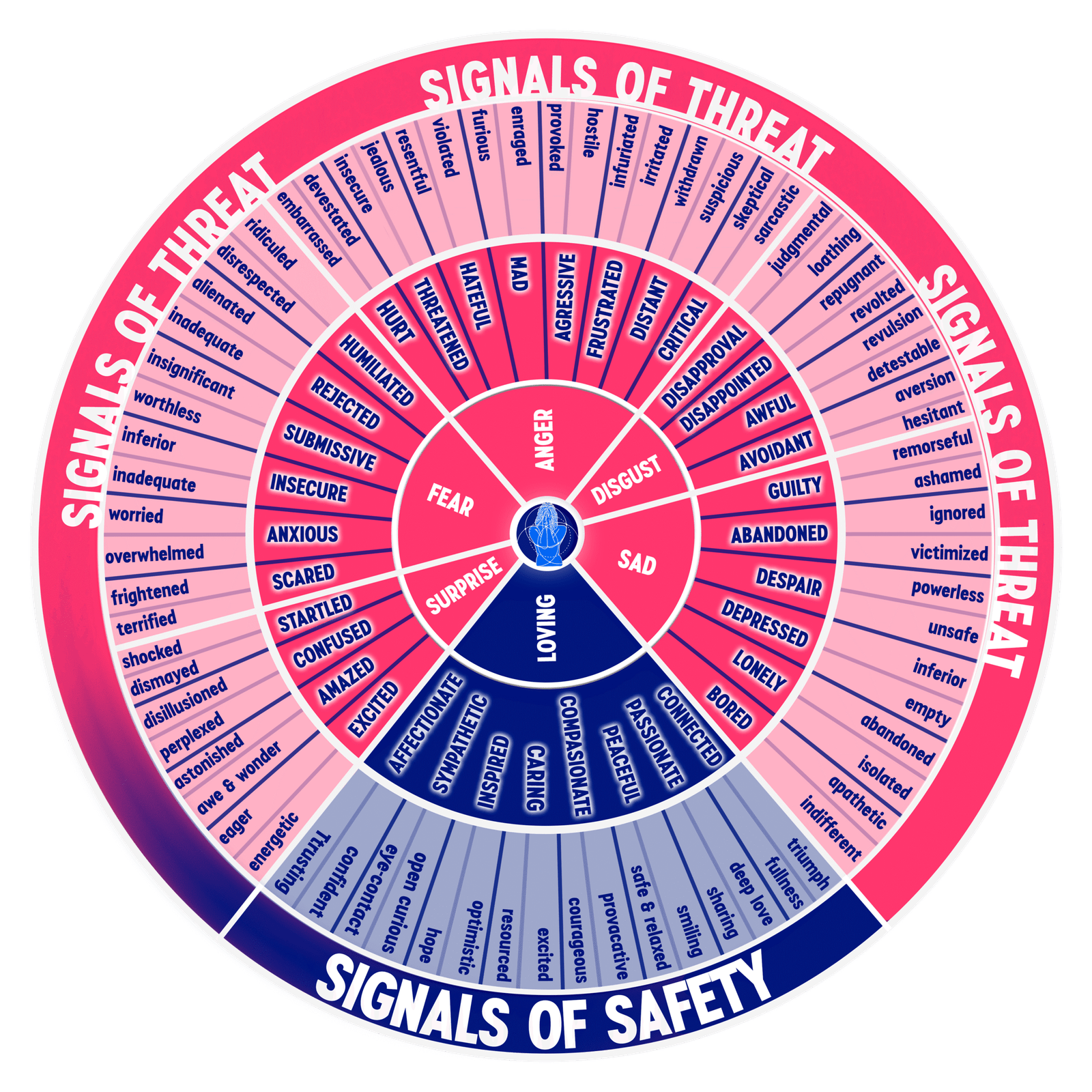
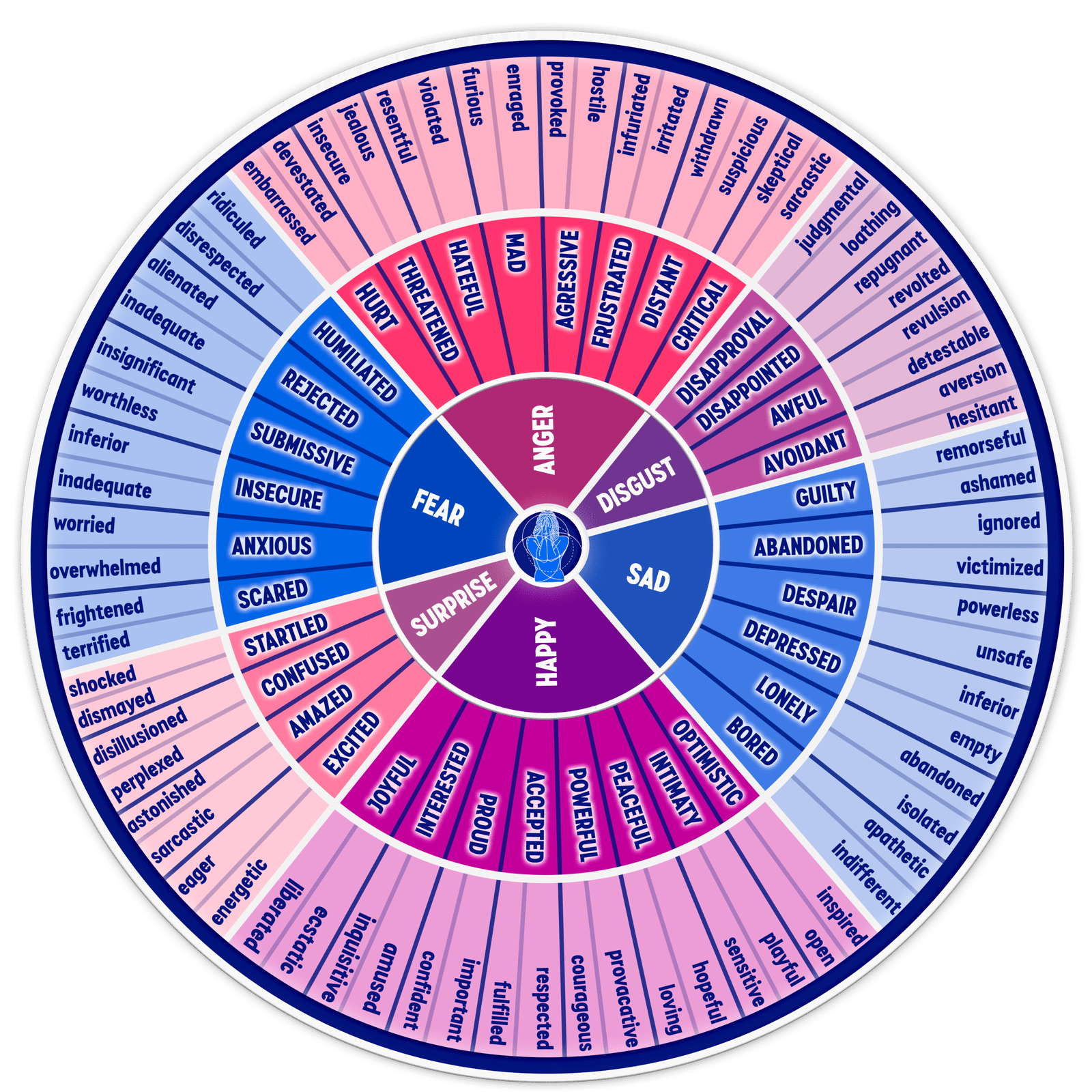
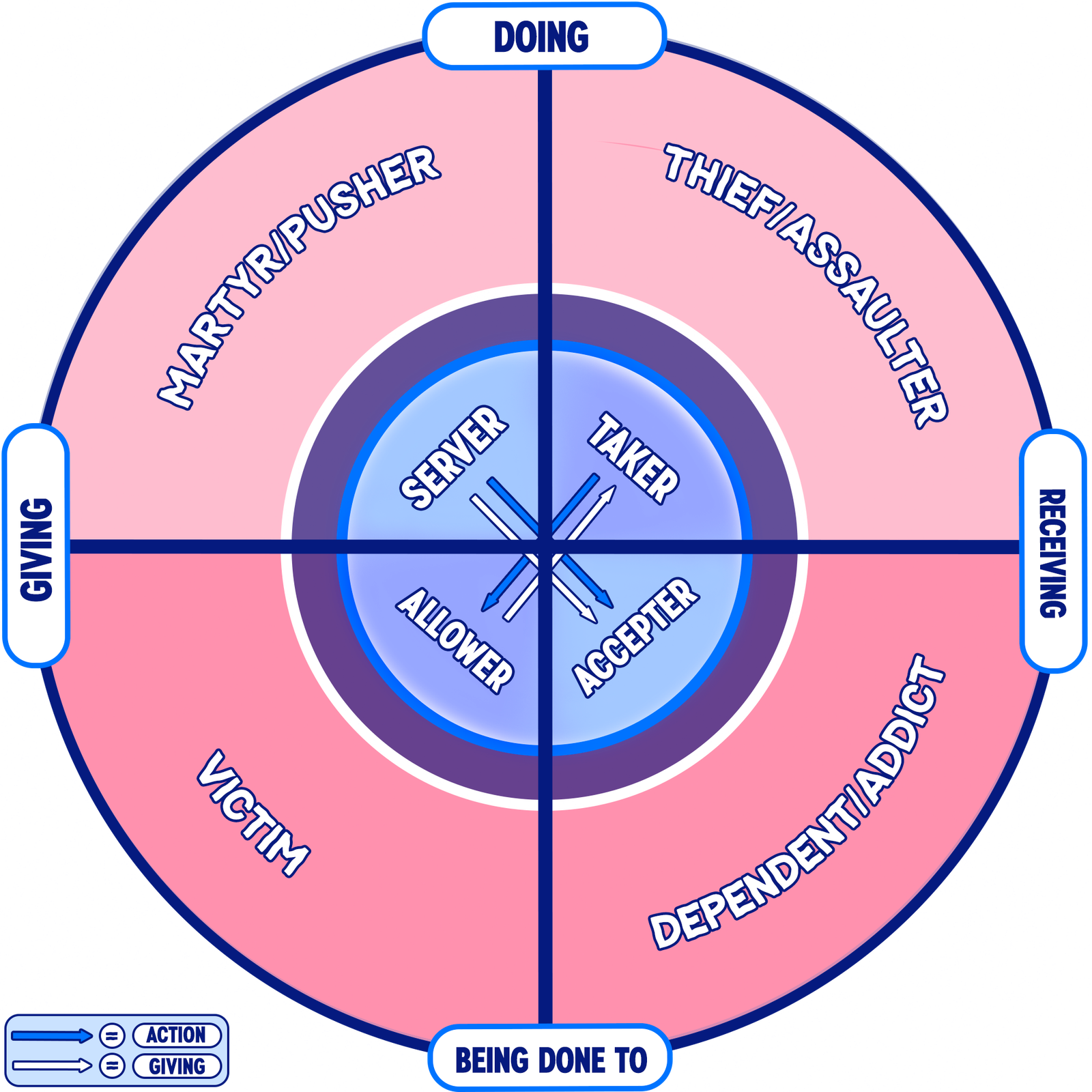
there are only two choices: power with or over - where do you stand morally?
power emerges from within your self
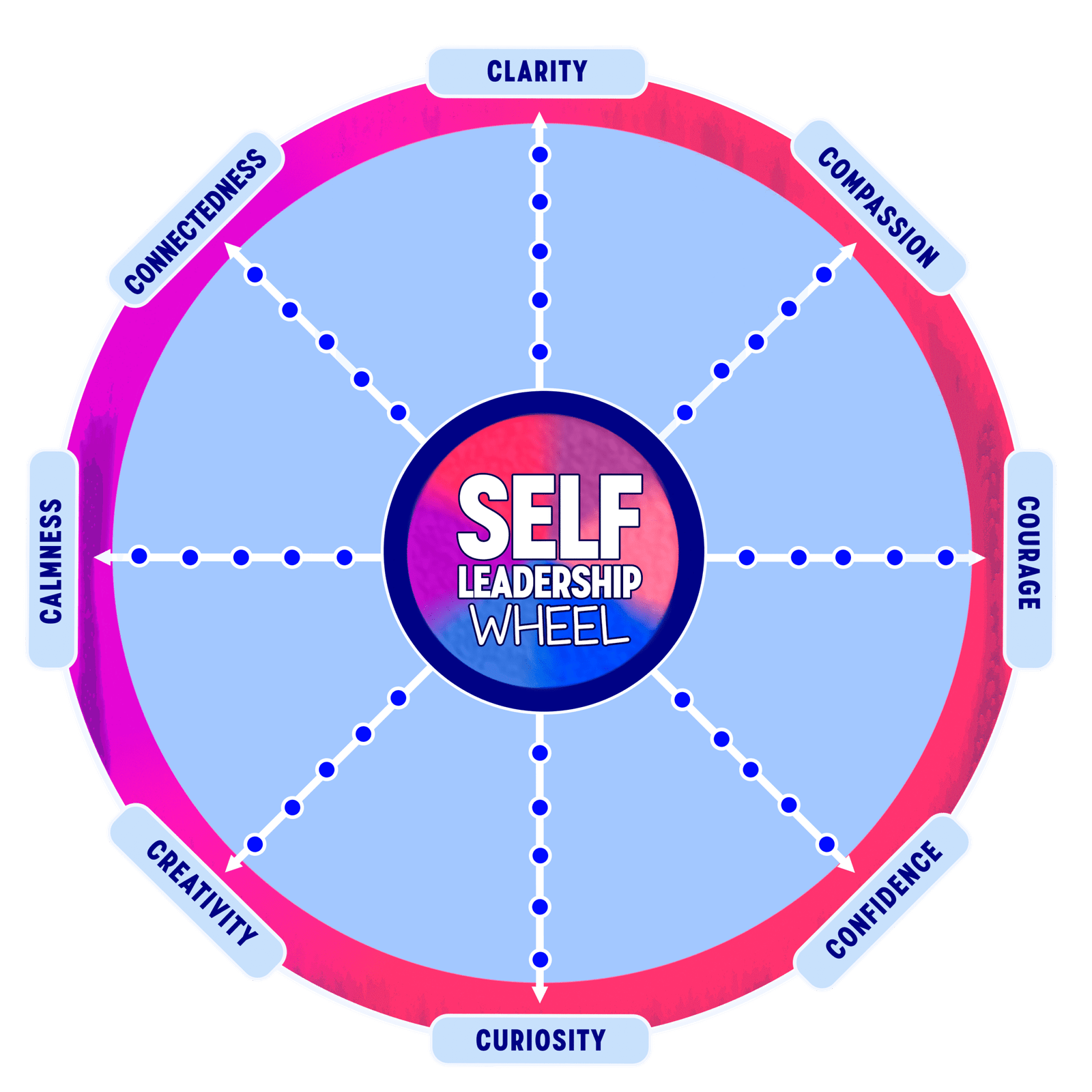
Power within requires self-attunement and self-leadership.

Agency & Will
If Mary Parker Follet was our guru for power, Rollo May is a compliment to illustrate the importance of personal agency.
WHAT WE'RE PLAYING FOR
When you are harnessing power within, capable of exercising your agency to act in your interest, and connected to others in equality not extraction.
Relating for Dangerous Leaders
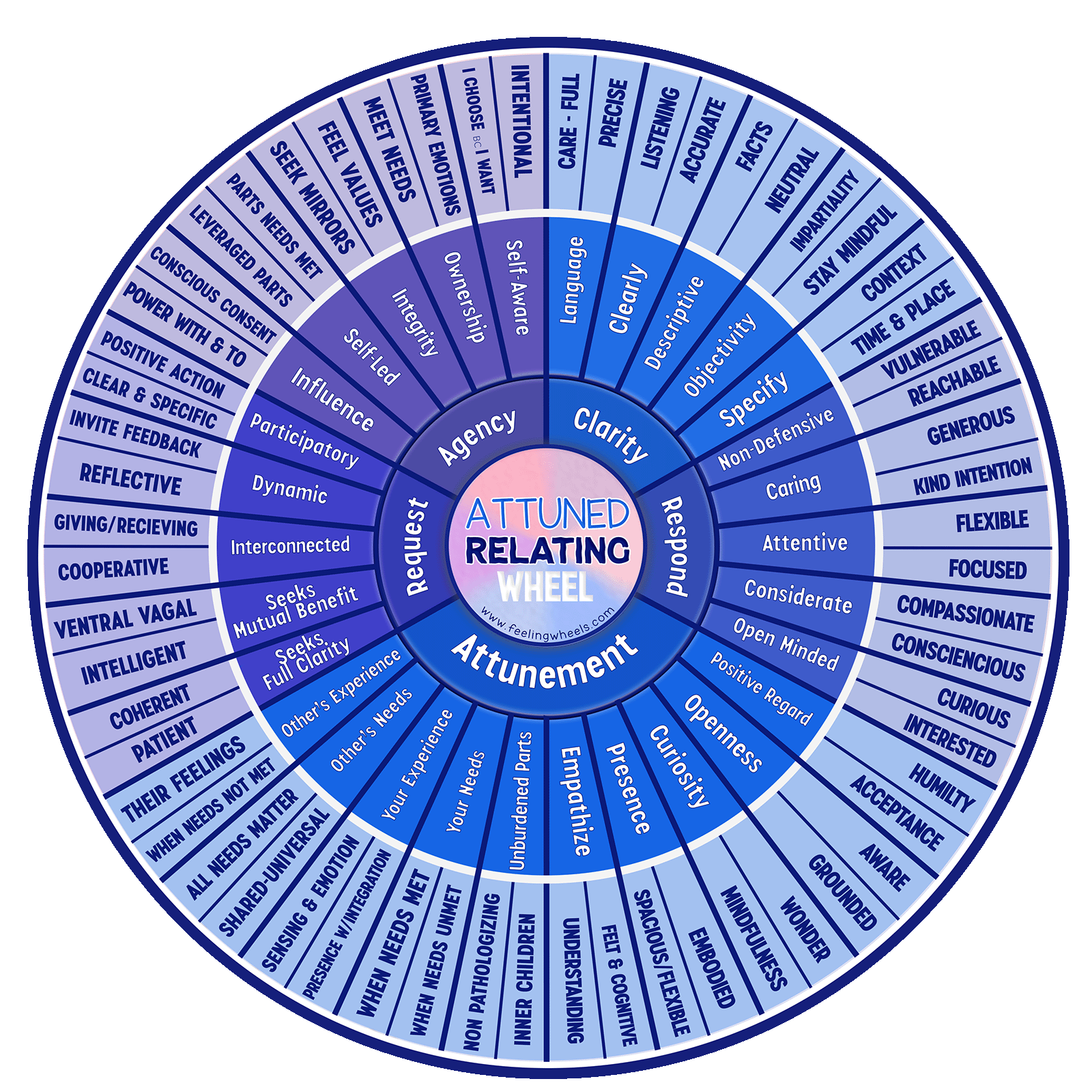
MISATTUNED OR ATTUNED COMMUNICATION?
UNIVERSAL HUMAN NEEDS
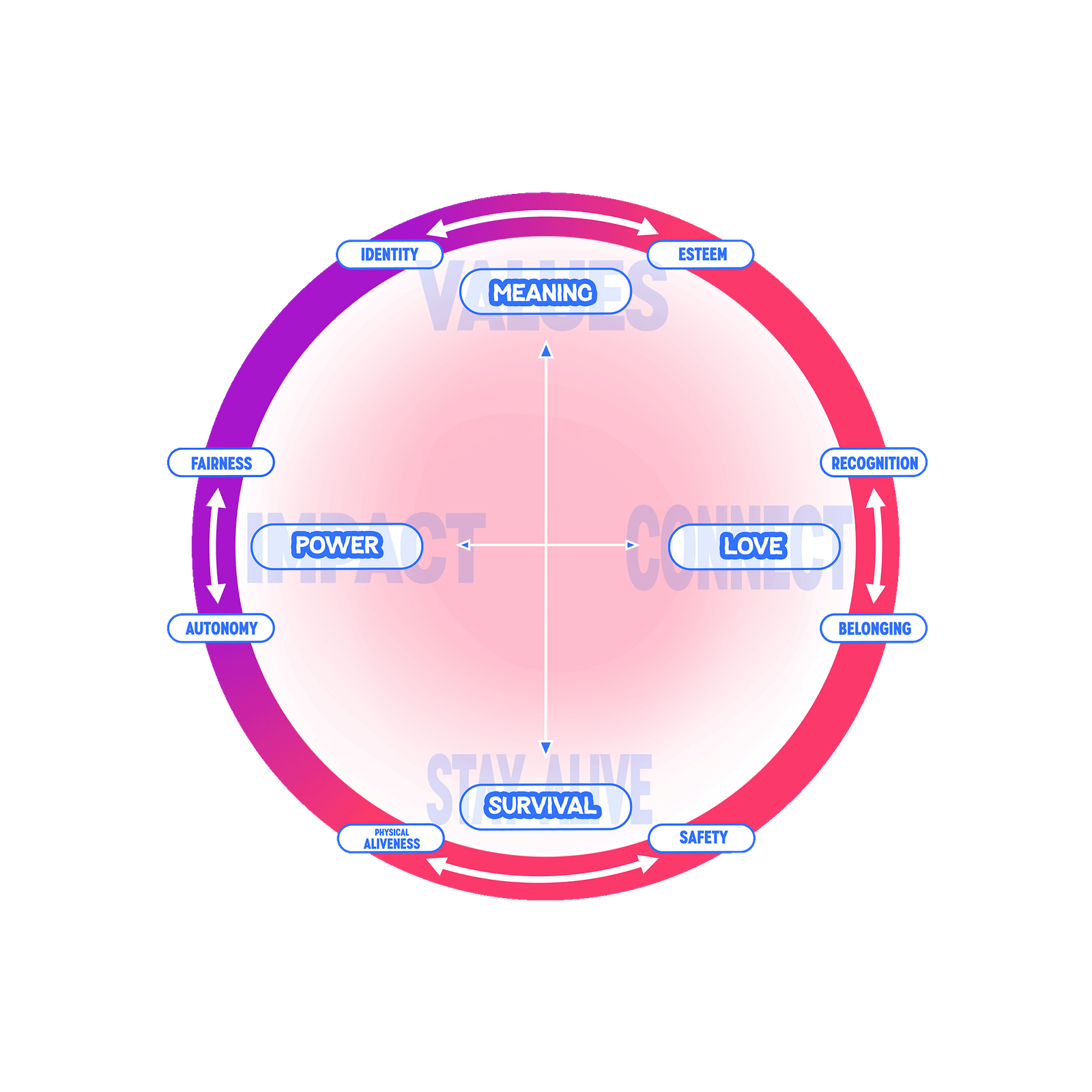
The work of Deborah Heifetz has done a lot for the field of human needs research. We’ve come a long way since Maslow, and it’s refreshing and exciting to see an attuned perspective on fundamental and universal human needs.
This wheel is her work, and you can find her academic paper outlining it’s conception and evolution by clicking here.
The key benefit of this is how it encapsulates the reality of tension and paradox in the human experience. Even our very needs, like survival, are complex and in tension. We need to feel and be physically alive (stimulated, senses alive, pleasure, excitement, risk, reward) and safe (physiologically means both safe from body + mind harm).